
 2,656
2,656

 Trending




 Hot offer




 Exclusive






How Lightning Dice works
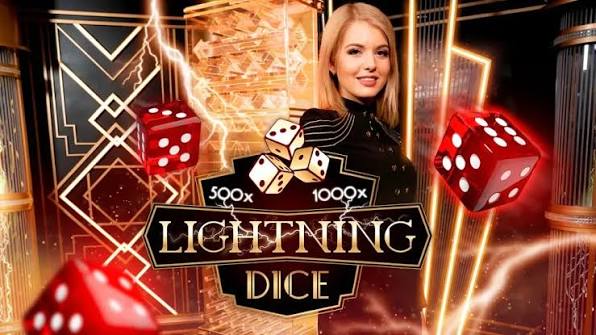
Lightning Dice is essentially a simplified Sic Bo: instead of betting on combinations across three dice, you bet only on the total. The dice roll down a transparent zig-zag chute called the Lightning Tower and land at the bottom on a felt platform. The total is read aloud by the host and settled immediately. Sixteen possible totals — 3 through 18 — sit on the bet panel; each has a base payout that you can boost with a Lightning multiplier.
Base payouts
Each total has its own house odds. The extremes (3 and 18, requiring all-1s or all-6s) pay 150:1 base. Each step toward the middle pays less, all the way down to 7:1 on the 10 and 11 (the most common totals on three dice). The pre-multiplier paytable is calibrated so the long-term return aligns with the published 96.21% RTP.
Lightning multipliers
Before each round, between two and four random totals on the board are "struck by lightning" and receive multiplier values. Multipliers are drawn from a fixed ladder: 50x, 99x, 100x, 249x, 499x, and (for 3 and 18 only) 1,000x. If the dice land on a struck total AND you bet on it, you get the multiplier value as your payout instead of the base — your stake is consumed by the multiplier prize.
Where the 1,000x lives
Only the extreme totals 3 (three 1s) and 18 (three 6s) can be assigned the 1,000x multiplier. That's the headline prize, but the natural probability of rolling three matching dice is roughly 1 in 216 per total — combine that with the 4-in-16 chance of the lightning landing on your specific number, and the 1,000x hit is a roughly 1-in-7,776 event. Real money, just rare.
Pace and presentation
Rounds run 25-30 seconds. The studio is theatrical: a 5-metre Lightning Tower lit in blue, with the dice tumbling visibly through every level. Side cameras show the bet panel and host. The clear chute means you see every bounce of the dice on the way down — important for trust, since unlike Sic Bo there's no manual shaker.